Ecological thought and the roots of sustainability
Rafael L. G. Raimundo
I am interested in understanding how ecological, evolutionary and biocultural processes drive the adaptive transformation of territories and socio-ecological resilience. To that end, I work with approaches that combine (1) the transdisciplinary integration of data with (2) the study of the structure and dynamics of ecological, socio-ecological and governance networks. The history of ecological thought, and dialogue on equal terms with other knowledge systems, are sources of innovative solutions to the great environmental questions of our time. Drawing on those sources, I take part in the collective effort to transcend epistemological, cultural and geographical limits in the building of sustainability.
A biologist trained at UNICAMP, with a doctorate in Ecology from USP and a professor in the Department of Engineering and Environment at UFPB, he currently coordinates the Graduate Program in Ecology and Sustainability (PPGECOS) and the Laboratory of Functional Ecology and Biocultural Restoration (COSMOS). He is one of the coordinators of the International Joint Laboratory on Sustainability IDEAL, in cooperation with the French National Research Institute for Sustainable Development - IRD (France).
1707 citations · h-index 21 · i10-index 29 — Google Scholar
Latest news · CCAE/UFPB ·
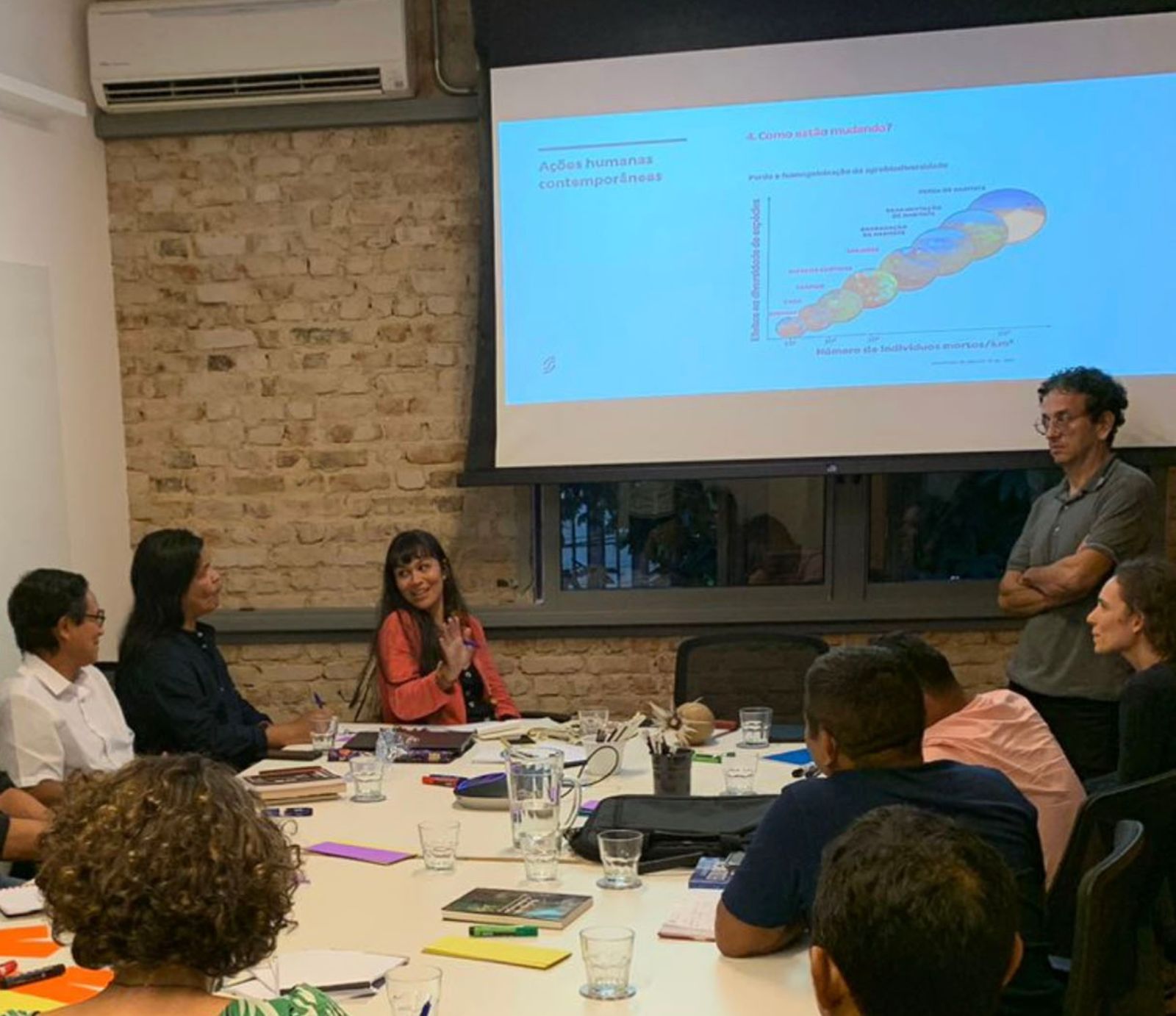
Project coordinated by CCAE professor brings science and Indigenous knowledges together in sustainability research
Unanimously approved by UFPB's University Council (Consuni) and supported by Instituto Serrapilheira with R$ 699,600, the project synchronises ecological, socio-productive and cosmopolitical networks in the Potiguara (PB), Upper Rio Negro (AM) and Borum-Kren (MG) territories.
Read the full article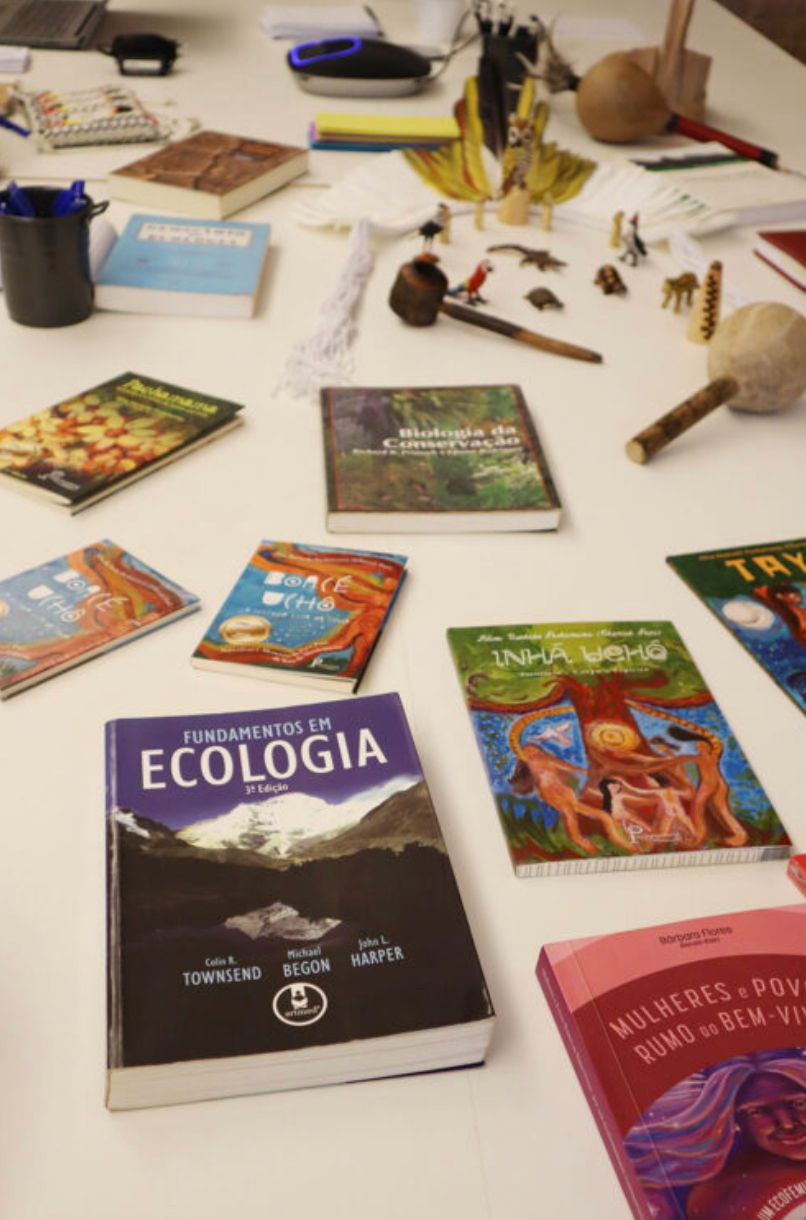
Research lines
-
Structure and dynamics of ecological and socio-ecological networks
Mathematical models and complexity science applied to networks of interaction, coevolution and resilience, to ground decisions in conservation and socio-ecological governance. Learn more
-
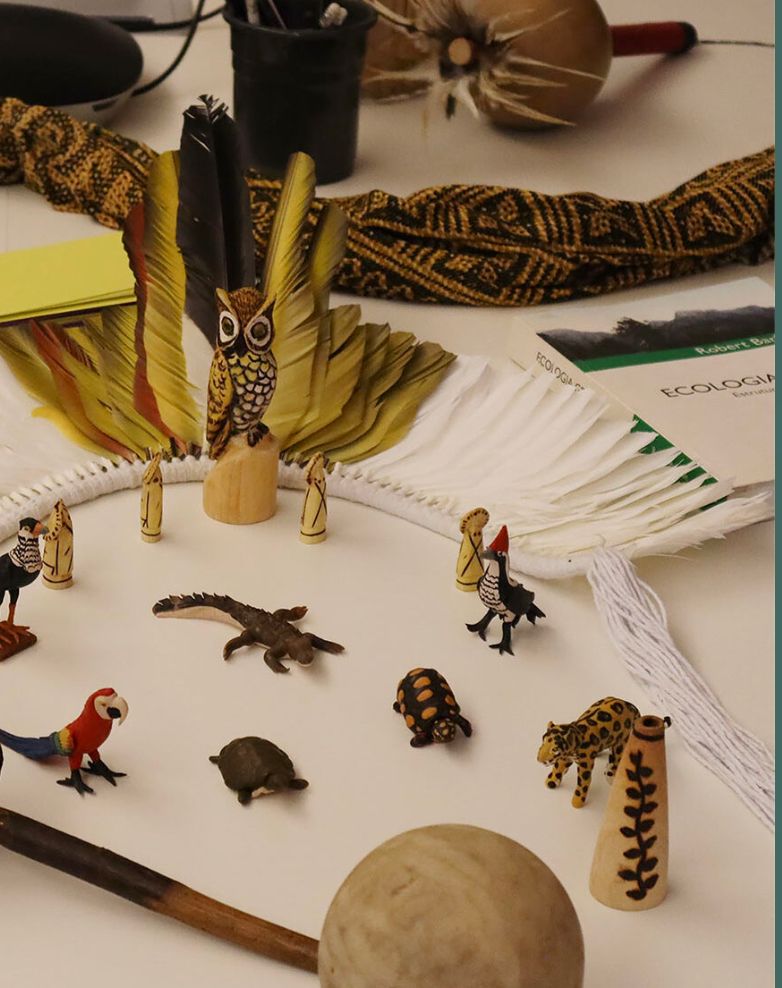
Pluriversal ecology
Philosophy of ecology, anthropology and Indigenous sciences in dialogue about nature, territory and a common future. Not translating one form of knowledge into the other, but seeing what each reveals about the limits of the other. Learn more
-
Socio-bioeconomies and governance
Open data, artificial intelligence and Earth observation applied to trajectories of adaptive transformation in agroecological landscapes of northeastern Brazil. Learn more


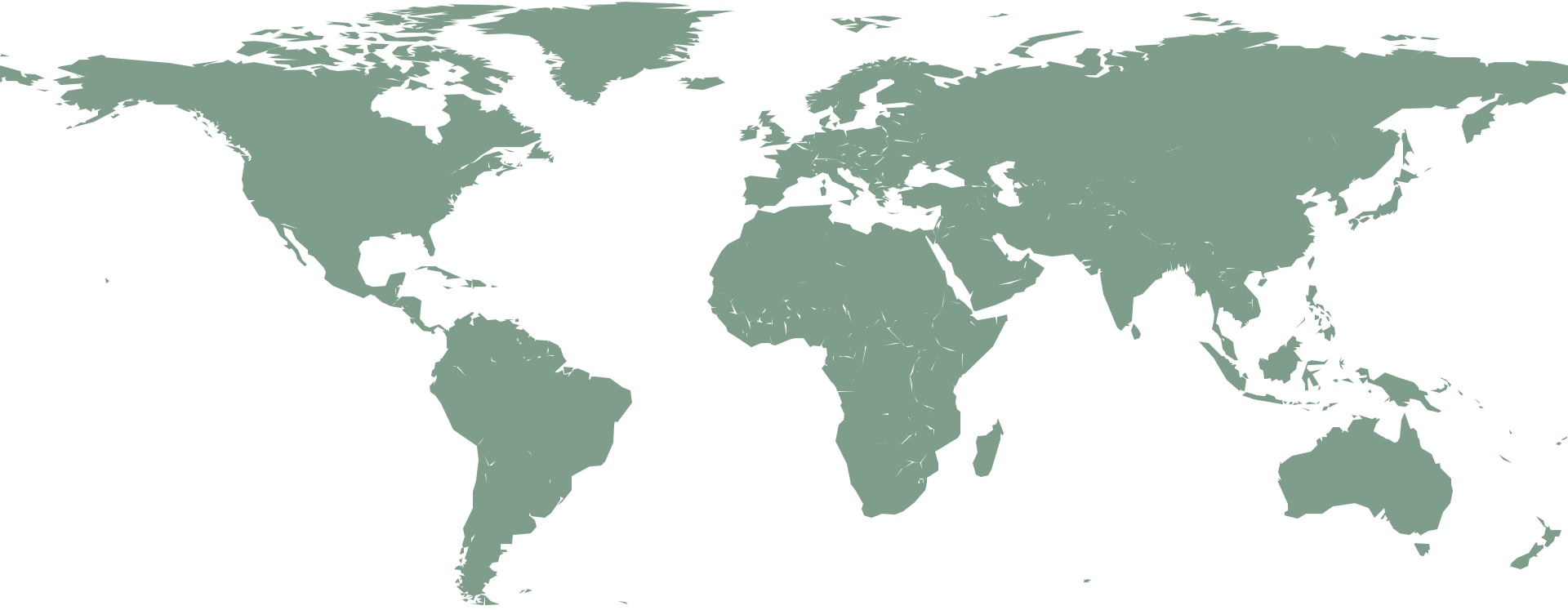
Where visits come from
Topics
- Ecology
- Socio-bioeconomies
- Conservation
- Territory
- Open science
- Complexity
- Biodiversity
- Interactions
- Amazonia
- Networks
- Resilience
- Dialogue of knowledges
- Paraíba
- Sustainability
- Coevolution
- Public policy
- Metacommunity
- Governance
- Caatinga
- Indigenous sciences
- Restoration
- Pluriversal